| 📺 Special Notices & Video Resources |
For a deeper dive into how I keep my collection, check out my YouTube channel. I post regular updates on care, setup, and feeding demonstrations.
▶️ Watch Care & Feeding Videos on UrbanTarantulas
|
| 🌡️ Care Details |
| Temperature |
75–85°F (24–29°C). Because this species grows very slowly ("glacial" pace), keeping them on the warmer side of this range helps speed up their metabolism and molt cycle slightly. |
| Humidity |
Low (approx 50%). Coming from the scrub and desert regions of Chile, they detest swampy conditions. Keep the substrate largely bone dry. For adults, a water dish is sufficient; I rarely mist them. |
| 🏠 Housing Configurations |
| Babies (Slings) |
A 1–4 oz deli cup with needle ventilation is perfect. I can include a FREE container at checkout if you request it in the notes; otherwise, it is not included. |
| Juveniles |
Once they outgrow the deli cup, move them to a small terrestrial enclosure roughly 2–3× their leg span. They are not heavy webbers, so simple setups work well. |
| Adults |
A standard terrestrial enclosure (approx 5 gallons volume depending on size) with dry substrate and a hide is ideal. |
| 🍽️ General Diet |
I feed a mix of crickets and roaches (Dubia, Red Runner, Lobster, Madagascar Hissing).
-
Babies: Feed baby crickets or roaches. If the prey is too large, I pre-kill it (crush the head) and leave it in; they will scavenge. Remove leftovers/bolus to prevent mold.
-
Important: We never use pinhead crickets because they do not provide enough protein.
-
Treats: For super large specimens only, an occasional pinky mouse or feeder lizard can be offered very sparingly. Excess calcium from vertebrates can cause constipation, so keep this rare.
Note: G. rosea is famous for "fasting" randomly. If they refuse food for weeks (or even months) but look plump, do not panic. This is normal for the species.
|
| 🧬 In-depth Facts |
| 🕷️ Scientific Name |
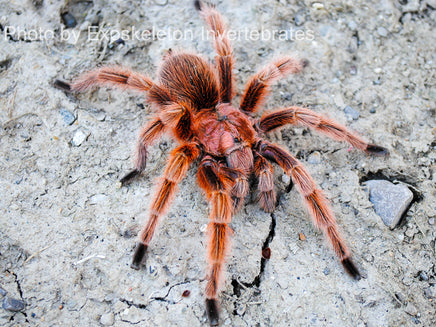
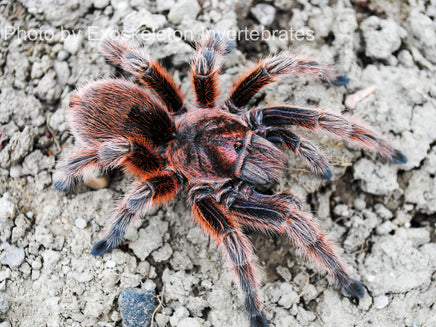
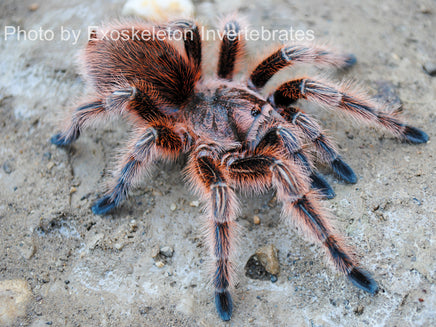
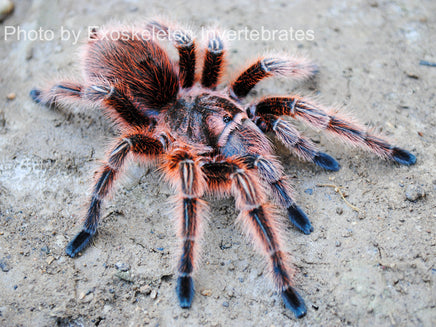
Grammostola rosea (Red Color Form) |
| 📛 Common Name |
Chilean Rose Hair (Red Phase/Form) |
| 🌡️ Temperature |
75–85°F (24–29°C) |
| 💧 Humidity |
Low (approx 50–60%); keep dry |
| 📍 Locale |
Northern Chile (Atacama Desert region), Bolivia, Argentina |
| 🏷️ Category |
Terrestrial; Opportunistic burrower (though often stays out in open) |
| 📏 Size |
Approx 6–7 inches diagonal leg span (max) |
| 🪶 Urticating Hairs |
Yes, but hardly ever use them. |
| ⏳ Growth Rate |
Slow to Very Slow |
| 🧭 Life Span |
Females 30+ years; Males 4–5 years |
| 🍽️ Feeding |
Standard insectivore (crickets/roaches). Prone to fasting. |
| 🎯 Recommended levels |
Beginner / Hobby Classic |
| 📲 Follow & Get a Freebie |
|
🎁 Follow me on social media and receive an additional freebie*
*Email me after you follow to let me know you’re a follower so I can include it.
|
Safety Disclaimer: Experiencing a tarantula bite is an extremely rare occurrence, and it's important to note that there have been NO recorded fatalities due to a tarantula bite. The venom potency varies across species, with Old World tarantulas generally having stronger venom than their New World counterparts. Within the Old World category, the Poecilotheria genus is known for having particularly potent venom.
It's crucial to approach tarantulas with respect and understanding. If you happen to get bitten, which is unlikely, the key is to stay calm. In most cases, the discomfort is superficial and subsides within a few minutes to a few hours. However, bites from species with more potent venom may result in symptoms lasting up to a week. Remember, larger tarantulas tend to have more venom than smaller ones.
Please be aware that I cannot assume responsibility for bites. Tarantula handling should be done at your own risk. In my 13 years of experience with these creatures, I have only been bitten once, by a species with highly potent venom. While the experience was painful, the symptoms had completely disappeared after a week.
Handle tarantulas responsibly, and always prioritize your safety and the well-being of the tarantula. |