| Special Notices |
|
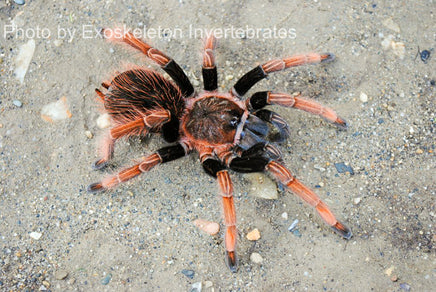
Keep the locality designation intact. “Santa Catalina” is a hobby locality designation rather than a formally described species name, so it should not be silently assigned to another recognized Sericopelma species.
Starting with a baby? A FREE sling container is available if
requested at checkout. It is not automatically included.
Visit my Urban Tarantulas YouTube channel
for care, setup, feeding, and show-and-tell videos to see how we keep and feed our
tarantulas.
|
| Care Details |
|
🌡️ Temperature: A practical captive range is about 72–80°F (22–27°C). Favor stable temperatures rather than excessive heat, and avoid placing the enclosure where direct sun or heating equipment can cause rapid temperature spikes.
💧 Humidity: Maintain a moisture gradient with deeper substrate retaining some moisture while the surface is allowed to become less damp. Pair this with good ventilation and constant access to clean drinking water; avoid saturated, stagnant enclosure conditions.
|
| 🏠 Housing |
|
Babies / Slings: Use a secure ventilated container with generous diggable substrate and a starter retreat. Keep some moisture in the lower layers, provide appropriately small prey, and minimize unnecessary open height above the substrate.
Juveniles: Increase usable floor space while retaining deep, compactable substrate for excavation. Provide a snug hide, water dish, good ventilation, and limited vertical clearance to protect the increasingly heavy-bodied spider from falls.
Adults: Provide a spacious terrestrial enclosure emphasizing floor area and substantial substrate depth, with a sturdy retreat, water dish, and good ventilation. Keep overhead clearance modest because large terrestrial tarantulas can be injured by falls.
|
| 🍽️ General Diet |
|
Offer appropriately sized crickets and suitable roaches such as Dubia, Red Runner, or Lobster roaches. Small slings can accept tiny live prey or portions of pre-killed prey when necessary, while juveniles and adults can take proportionally larger invertebrates.
Adjust portions and feeding frequency according to life stage, abdomen condition, and feeding response rather than using a rigid schedule. Remove uneaten prey and boluses, and stop offering live feeders when a molt appears imminent.
|
| In-depth Facts |
| 🕷️
Scientific Name |
Sericopelma sp. Santa Catalina
View Sericopelma in the World Spider Catalog
This link provides genus information; “Santa Catalina” is an unresolved hobby locality designation rather than a currently accepted species entry.
|
| 📛 Common Names |
Santa Catalina Tarantula. |
| 🌡️ Temperature |
About 72–80°F (22–27°C), with stable temperatures preferred. |
| 💧 Humidity |
Moisture retained deeper in the substrate, a less-damp surface, good ventilation, and clean drinking water. |
| 📍 Locale |
Santa Catalina area, western coastal Panama. |
| 🏷️ Category |
Terrestrial and burrowing, with generally light to moderate webbing. |
| 📏 Adult Size |
Females: Large-bodied; a reliable published species-specific female DLS range is not established for this undescribed locality form.
Males: A reliable published species-specific male DLS range is not established for this undescribed locality form.
DLS means diagonal leg span. These
are general species notes, not the size of the specimen offered.
|
| 🪶 Urticating Hairs |
Yes—treat urticating hairs as a potential natural defense and avoid direct hair contact during maintenance. |
| ⏳ Growth Rate |
Medium to fast in captive reports, though published species-specific growth data are limited. |
| 🧭 Lifespan |
Females: Reliable species-specific captive lifespan estimates are not established for this undescribed locality form.
Males: Reliable species-specific captive lifespan estimates are not established for this undescribed locality form.
Captive keeper estimates of total
lifespan, not years remaining after purchase.
|
| 🍽️ Feeding |
A strong feeding response is commonly observed; offer appropriately sized crickets or suitable roaches and adjust portions to life stage and body condition. |
| 🎯 Recommended Level |
For keepers who enjoy large, impressive New World terrestrials and are comfortable with strong feeding responses, burrowing behavior, and secure hands-off maintenance. |
| Follow Me on Social Media |
|
🎁 Follow me on social media and receive an
additional freebie*
*Email me after you follow to let me know you’re a
follower so I can include it.
|
| Safety Disclaimer |
| Tarantulas
can bite. Enjoy observing your tarantula and use secure transfer methods during
maintenance. Handling is at your own risk. Always prioritize your safety and the
tarantula’s well-being. Avoid direct contact with urticating hairs and use deliberate, secure maintenance around this large terrestrial tarantula. |