Skip to product information
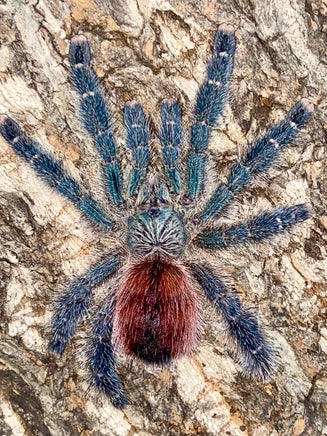
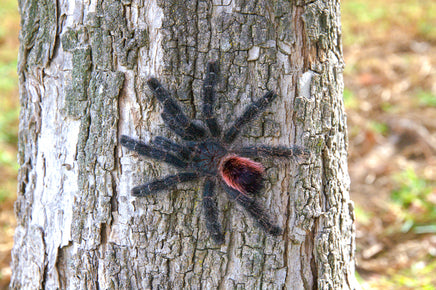
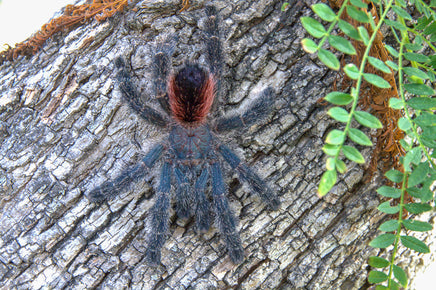
Avicularia variegata - Grizzled Pinktoe Tarantula

$800.00 
Choose below
URBAN TARANTULAS
Grizzled Pinktoe Tarantula
Avicularia variegata · A. variegata

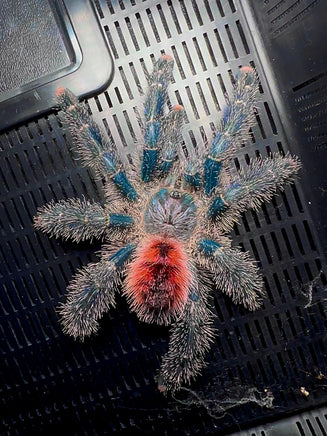
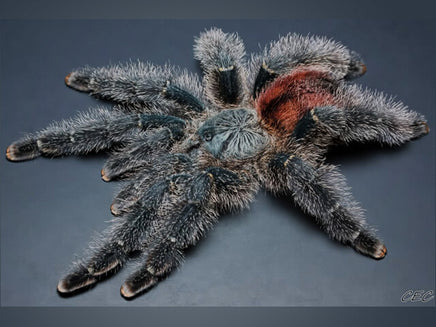
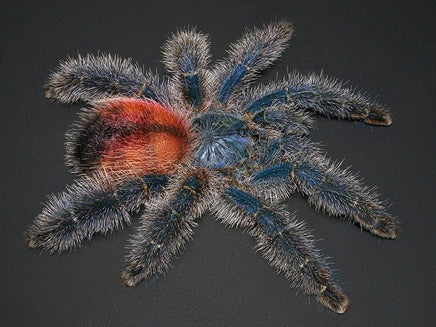
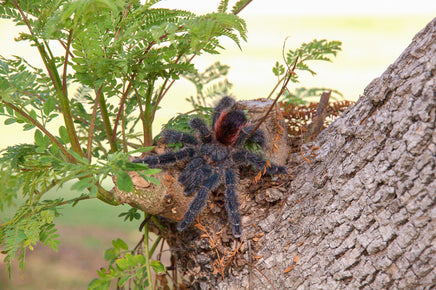
The Grizzled Pinktoe brings a shaggy appearance and an arboreal lifestyle to a thoughtfully arranged display enclosure. Native to Venezuela and Brazil, Avicularia variegata builds silken retreats among elevated cover. Coloration varies between recognized morphotypes, making accurate identification valuable. Secure climbing space, generous ventilation, and reliable drinking water form the foundation of its captive care.

Special Notices

Identification and airflow matter: Avicularia bicegoi is a synonym of A. variegata. This species includes different morphotypes, so a species-only listing does not establish a particular color form. Provide ample cross ventilation and drinking water without maintaining a wet, stagnant enclosure.

Starting with a baby? A FREE sling container is available if requested at checkout. It is not automatically included.

Visit my Urban Tarantulas YouTube channel for care, setup, feeding, and show-and-tell videos to see how we keep and feed our tarantulas.

Care Details

🌡️ Temperature: A practical range is 75–82°F (24–28°C). Keep conditions stable, monitor the enclosure’s actual temperature, and protect it from direct sunlight and concentrated heat sources.

💧 Humidity: Keep a water dish available and lightly moisten one area of substrate as needed, allowing the surface to dry. Offer occasional droplets on foliage without spraying the spider. Maintain abundant cross ventilation and adjust watering to drying speed rather than chasing a fixed humidity percentage.

🏠 Housing

Babies / Slings: Use a small arboreal container with escape-resistant side ventilation, upright cork, and foliage for web anchors. Provide a small water dish where practical and check hydration frequently.

Juveniles: Increase vertical space as the spider grows. Secure cork and foliage near the upper enclosure, preserve its web retreat, and position the water dish for easy maintenance.

Adults: A well-ventilated enclosure around 12 × 12 × 18 inches offers a useful starting point. Include vertical retreats, secure climbing surfaces, substrate, and water. House individually and keep all openings escape-resistant.

🍽️ General Diet

Offer appropriately sized captive-bred insects such as crickets or roaches. Tiny slings need small prey that can reach their elevated retreat. Adjust food size and frequency to the spider’s abdomen condition, appetite, and growth instead of following an inflexible schedule.

Remove uneaten prey promptly. A sealed web retreat may indicate premolt, so avoid disturbing it and pause feeding. Resume only after the spider’s new exoskeleton and fangs have hardened, while maintaining fresh water throughout.

In-depth Facts
🕷 Scientific Name Avicularia variegata F. O. Pickard-Cambridge, 1896 View species in the World Spider Catalog Accepted species; abbreviated as A. variegata. Formerly treated as a subspecies of A. avicularia; A. bicegoi is a synonym.
📛 Common Names Grizzled Pinktoe; Grizzly Pinktoe. Brick-red Pinktoe and Brazilian Woolly Pinktoe are also used for particular morphotypes in the hobby.
🌡 Temperature 75–82°F (24–28°C); stable conditions without overheating.
💧 Humidity Reliable drinking water, localized substrate moisture, and ample cross ventilation. Avoid constantly wet or stagnant conditions.
📍 Locale Venezuela and Brazil.
🏷 Category New World arboreal tarantula; constructs elevated silken retreats.
📏 Adult Size Females: Published captive guides commonly suggest around 4–5 inches (10–13 cm) DLS; size reports vary between sources and stock.
Males: Typically smaller and more slender; a reliable separate species-wide DLS range is uncertain.
DLS means diagonal leg span. These are general species notes, not the size of the specimen offered.
🪶 Urticating Hairs Present: type II abdominal urticating hairs, primarily transferred through direct contact.
⏳ Growth Rate Generally moderate; development varies with sex, feeding, temperature, and individual condition.
🧭 Lifespan Females: Approximately 8–10 years is reported for captive morphotype 2; broader species-wide records are limited.
Males: Approximately 4–6 years is reported for captive morphotype 2; this is a provisional guide rather than a guaranteed species-wide range.
Captive keeper estimates of total lifespan, not years remaining after purchase.
🍽 Feeding Appropriately sized captive-bred insects. Adjust portions to body condition and leave sealed molting retreats undisturbed.
🎯 Recommended Level Intermediate; suitable for keepers comfortable managing arboreal ventilation, hydration, and secure transfers.
Follow Me on Social Media

🎁 Follow me on social media and receive an additional freebie*
*Email me after you follow to let me know you’re a follower so I can include it.

Safety Disclaimer
Tarantulas can bite. Enjoy observing your tarantula and use secure transfer methods during maintenance. Handling is at your own risk. Always prioritize your safety and the tarantula’s well-being. This arboreal can jump or bolt when disturbed, and direct contact with its abdominal hairs can cause irritation.