Skip to product information
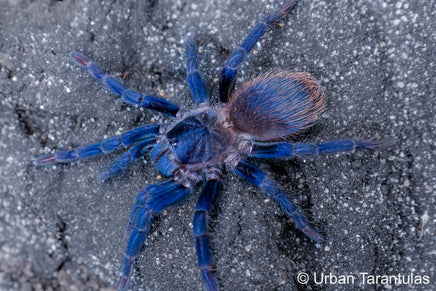
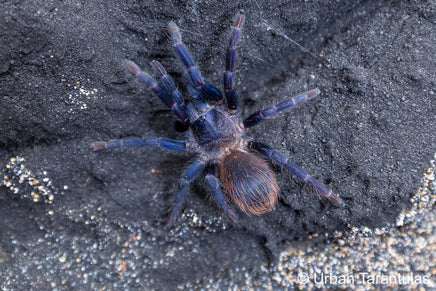
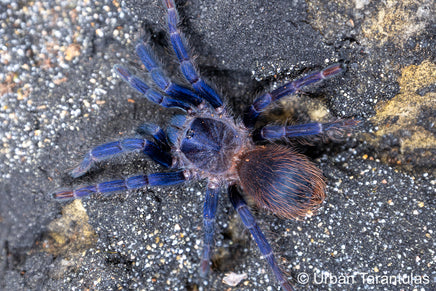
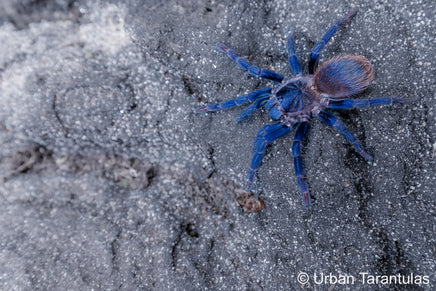
Lasiocyano sazimai - Brazilian Blue Beauty Tarantula

$600.00 
Choose below
URBAN TARANTULAS
Brazilian Blue Tarantula
Lasiocyano sazimai — L. sazimai

Rich blue coloration and reddish abdominal hairs make the Brazilian Blue a striking terrestrial tarantula. Lasiocyano sazimai, formerly known as Pterinopelma sazimai, comes from Brazil’s rocky upland habitats. Its developing colors, burrowing habits, and occasional appearances near its retreat offer plenty to observe, while its skittish nature rewards calm, deliberate enclosure maintenance.

Special Notices

Updated name, familiar Brazilian Blue. This species was transferred from Pterinopelma to Lasiocyano in 2023. Young spiders may not yet show the rich blue appearance associated with larger specimens. Provide a secure retreat and expect periods underground; visibility and temperament vary between individuals.

Starting with a baby? A FREE sling container is available if requested at checkout. It is not automatically included.

Visit my Urban Tarantulas YouTube channel for care, setup, feeding, and show-and-tell videos to see how we keep and feed our tarantulas.

Care Details

🌡️ Temperature: Stable room temperatures around 72–78°F (22–26°C) are a practical target. Keep the enclosure away from direct sunlight and hot spots. Normal room warmth is generally sufficient; avoid overheating the spider to accelerate growth.

💧 Humidity: Provide a moisture gradient rather than uniformly wet bedding. Keep part of the lower substrate lightly moist while allowing the surface and opposite side to dry. Maintain good ventilation and a clean water dish. Check small sling containers frequently because they can dry out quickly.

🏠 Housing

Babies / Slings: Use a small, ventilated, escape-proof container with deep substrate relative to the spider’s size. Add a starter retreat, maintain a lightly moist area, and provide a tiny water dish when practical.

Juveniles: Offer compactable substrate deep enough for burrowing, a cork-bark retreat, and a shallow water dish. Increase floor space gradually and keep the distance above the substrate limited to reduce fall risk.

Adults: Choose a secure terrestrial enclosure with generous floor space and substantial digging depth. Include a shaded hide and water dish. Keep furnishings stable, avoid exposed sharp rocks, and allow the spider to establish its own retreat.

🍽️ General Diet

Offer appropriately sized captive-bred insects such as crickets and roaches. Tiny slings can receive small prey or freshly pre-killed portions. Adjust meal size and frequency to the spider’s body condition and response, rather than feeding automatically whenever it accepts food.

Remove uneaten prey and food remains promptly. Pause feeding during premolt and leave a sealed retreat undisturbed. After molting, wait until the fangs and exoskeleton have hardened before offering another meal, while keeping fresh water available.

In-depth Facts
🕷️ Scientific Name Lasiocyano sazimai (Bertani, Nagahama & Fukushima, 2011) View species in the World Spider Catalog Originally described as Pterinopelma sazimai in 2011; transferred to Lasiocyano in 2023. “Lasiodora sazimai” is not the accepted scientific name.
📛 Common Names Brazilian Blue Tarantula, Iridescent Blue Tarantula, Sazima’s Tarantula.
🌡️ Temperature Approximately 72–78°F (22–26°C); stable room conditions without direct sunlight or excessive heat.
💧 Humidity A lightly moist lower layer or corner, a drier surface, good ventilation, and a full water dish. Avoid saturated substrate.
📍 Locale Eastern Brazil, including Bahia and Minas Gerais; associated with rocky upland campo rupestre habitats.
🏷️ Category New World terrestrial burrower; provide deep substrate and sheltered retreats.
📏 Adult Size Females: Robust adults; published species estimates span approximately 4.5–6 inches (11–15 cm) DLS.
Males: Slimmer and leggier at maturity; reliable separate male DLS estimates are limited.
DLS means diagonal leg span. These are general species notes, not the size of the specimen offered.
🪶 Urticating Hairs Yes. May release irritating abdominal hairs when disturbed; avoid contact with hairs, molts, and contaminated substrate.
⏳ Growth Rate Generally medium; growth varies with temperature, feeding, sex, and individual development.
🧭 Lifespan Females: Approximately 10–15+ years; long-term species-specific records remain limited.
Males: Approximately 3–5 years.
Captive keeper estimates of total lifespan, not years remaining after purchase.
🍽️ Feeding Appropriately sized captive-bred insects. Adjust portions to body condition and remove uneaten feeders.
🎯 Recommended Level Intermediate; suited to keepers comfortable with skittish terrestrial spiders, burrowing behavior, and moisture management.
Follow Me on Social Media

🎁 Follow me on social media and receive an additional freebie*
*Email me after you follow to let me know you’re a follower so I can include it.

Safety Disclaimer
Tarantulas can bite. Enjoy observing your tarantula and use secure transfer methods during maintenance. Handling is at your own risk. Always prioritize your safety and the tarantula’s well-being. This species can move quickly when startled; keep a catch cup ready and avoid contact with urticating hairs.